Hans Arkeveld

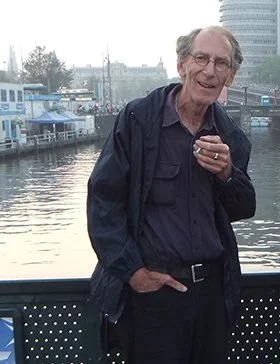
Hans Arkeveld is one of Western Australia's most important artists and his contribution to the arts in Australia has been of great significance. His career, spanning over fifty years, has included positions as a respected teacher in many major art instructions in Perth, and also in the long-standing position as the Artist in Residence in the Human Anatomy Department at the University of Western Australia. This special position has allowed him access to a range of scientific and biological materials, methods and theories, which are all evident in his work, and here he has been able to refine his remarkable skills in anatomical drawing and sculpting which are so characteristic of his style. There is great refinement and elegance in Arkeveld’s work and his style is often compared to that of Leonardo da Vinci for its technical precision and sympathetic expression of the human form. His work appeals to a range of audiences and has been an influence to generations of artists practising in Perth since the 1960’s. His style has also been associated with the development of a particular aesthetic in the field of sculpture in Western Australia. Arkeveld works in a variety of materials including bronze, plaster, wire, and any other material that catches his eye, in addition to being an accomplished drawer and painter. His work is housed in many private and public collections in Australia, and he is a prolific maker with a respected place in Australian history. His work will appreciate consistently and represents a wise financial investment. However, the purchase of an Arkeveld will be far more meaningful than its fiscal value, as it will fortify the value of the other artworks in the Collection.

Greg James
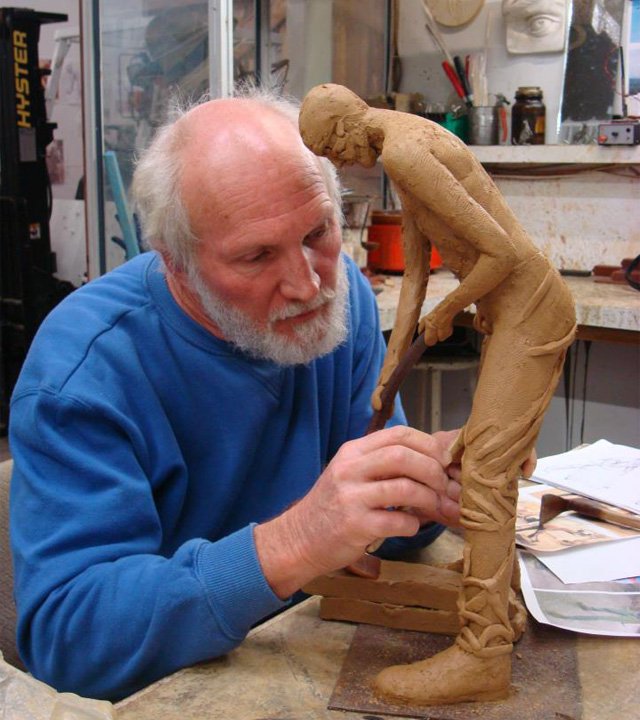
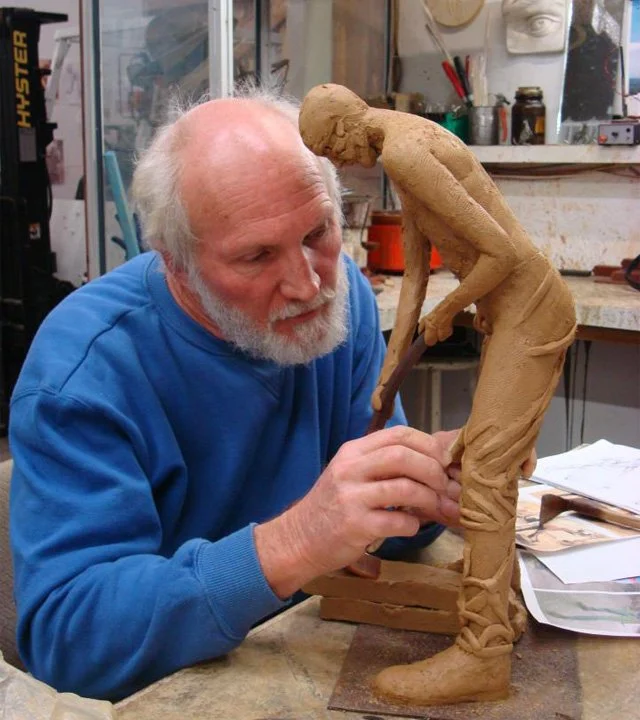
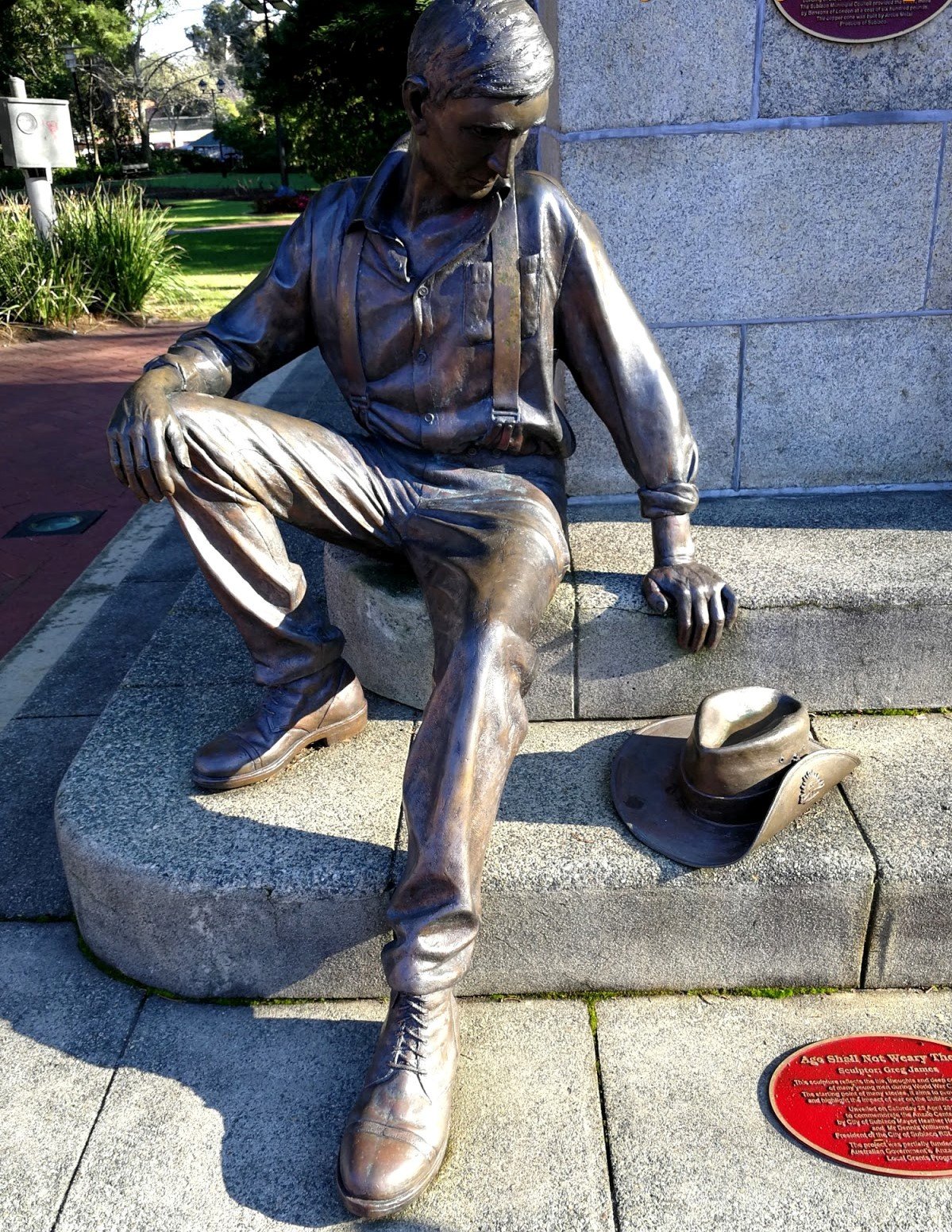
Greg James was born in Perth, Western Australia. His involvement with art began at 18 when he enrolled at Claremont Technical College (later to become Claremont School of Art) where he studied Fine Art, majoring in Sculpture. He initially worked as a Sculpture Technician for Claremont School of Art before establishing a small foundry in his home studio in 1987. In 1992 he moved his studio to J Shed, where he developed the Greg James Sculpture Studio Gallery.
His numerous public sculptures have become well known landmarks throughout Fremantle and Perth, whilst his collectable work is displayed throughout Australia, and in galleries in Ireland, the United Kingdom, and New Zealand. His work has also featured previously in Rome, Paris, London, Berlin, Amsterdam, and Hong Kong. Greg specialises in bronze sculpture, however, he also works with materials such as stone, marble, wood, forton, aluminium and steel, and produces paintings and drawings using acrylics, charcoal, pencil, pastel, oil and watercolour.
"The essential inspiration for my work is people. Some of my work is concerned with the artistic representations of individuals and or events based on historical fact, while other works concentrate on interpretations of various elements of the human condition"
Visit: www.gregjamessculpture.com


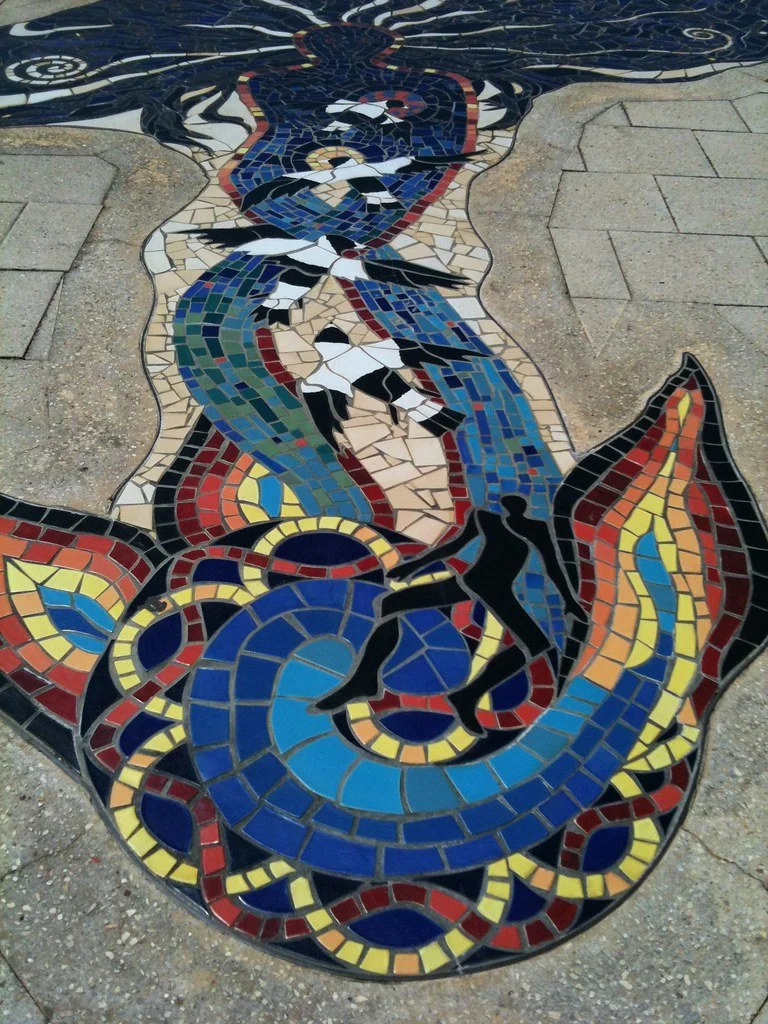
Miv Egan

Image Source: Eugene Scrivener (Museum of Perth)
Miv Egan’s only verified exhibition was Gotham Times Ten at Perth Cultural Centre in Perth, WA in 1998.
Miv Egan is exclusively exhibited in Australia. Egan has had no solo shows but one group show.
Miv Egan has been exhibited with Cathy Blanchflower and Jon Tarry.
Visit: www.artfacts.net


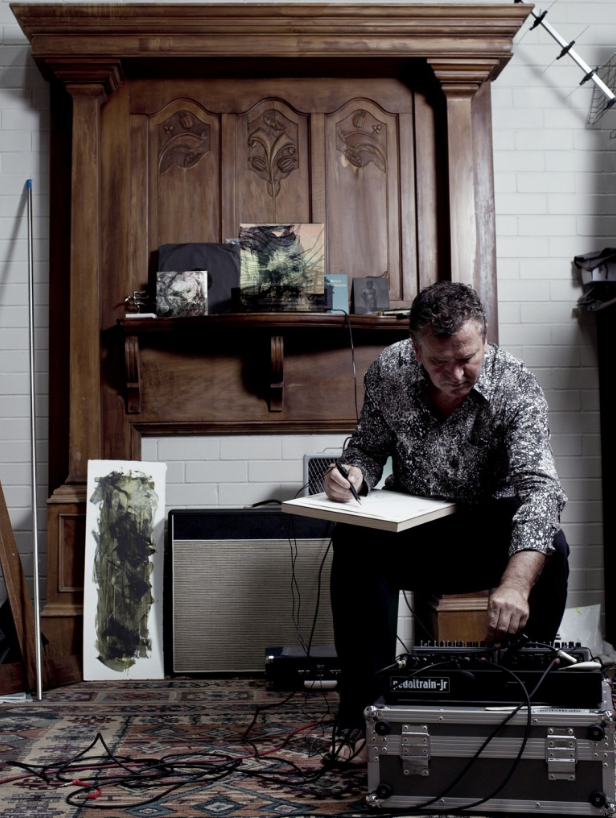
Jon Tarry

Image source Denman.net.au
Jon Tarry creates art as a way of testing ideas about the prosaic, political and poetic, in the form of sculpture, drawing, film and sound. His work explores art and architectural conditions as a comparative investigation of spatial intelligence. The process of creating his works informs a new understanding of the medium and the subject he is examining. For Tarry, the act of generating his art is just as significant as the work itself.
Tarry has completed 42 public and numerous private art commissions in Australia, the USA, the Middle East and Europe. These works include ‘Convergence ‘Optus Stadium, ‘Bessie’ – Elizabeth Quay, ‘Elevacion’ SJOG Hospital, Viridian, ‘Clouds’, Perth City Link, ‘Naturescape’, Kings Park, Fire Fighters Memorial Grove, ‘Sky Shard’, Canberra, ‘Marginale’, Venice, ‘Balancer’, Abu Dhabi. Solo shows in Australia, Los Angeles, London and Amman. Group exhibitions include; ‘Markers’, Artist and Poets the Venice Biennale of Art 2001. Venice Biennale of Architecture 2008 – 2010 – 2012.
Tarry is also widely published. These publications include an essay with Dr Ansted, a photo essay on Prix d Amour, Boomtown 2050 UWA Press 2009 and Twenty- Six Runways, Melbourne 2012 among many other publications.
Tarry completed a PhD Architecture RMIT in 2012. Tarry is currently an Associate Professor, Faculty of Architecture Landscape and Visual Art, University of Western Australia Perth and was the Visiting Professor to The Chinese University of Hong Kong.
More recently Tarry has utilised his diverse qualifications and experience collaborating with Architects, Developers and Landscape Architects to create infrastructure projects including Yagan Square, Dubai Creek Harbour, Harold Park, Aurelia, St Marks and NatureScape.
Currently, Tarry is working on Artworks and installations for six projects including three colleges, a primary school and two apartment buildings, along with consulting on a major Middle East infrastructure project. He is also involved in a creating a sound works for a State Gallery and collaborating with musicians, vocalists and Sound Engineers for a Film/Sound projects.
Visit: www.jontarry.com, www.denmac.net.au


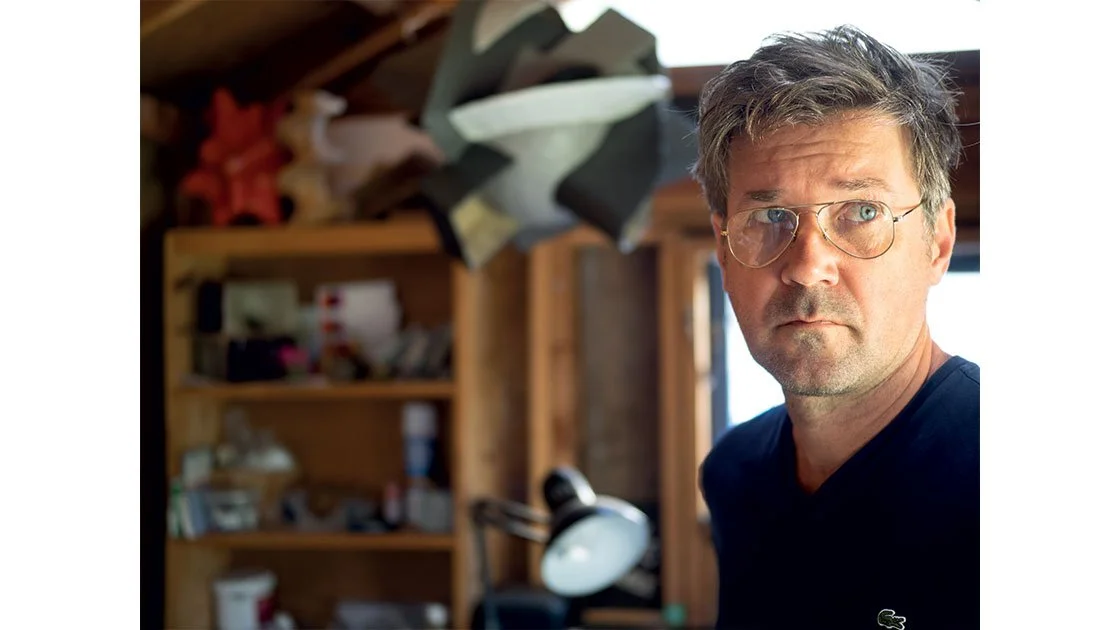
James Angus

Image source artistprofile.com
In his sculptures and public installations, James Angus celebrates the inherent elegance in the design, balance, and scale of the natural and manmade worlds. Approaching his work with formalism grounded in his interest in architecture, and using a range of materials from fibreglass to steel, Angus has recreated rock formations, animals, iconic buildings, and a Mack truck, playfully altering their proportions to highlight the beauty of their form. Reimagined and repurposed to belie their structural integrity and purpose, Angus’ interventions make us consider not only the history and aesthetic of sculpture but also of our built environment and urban fabric.

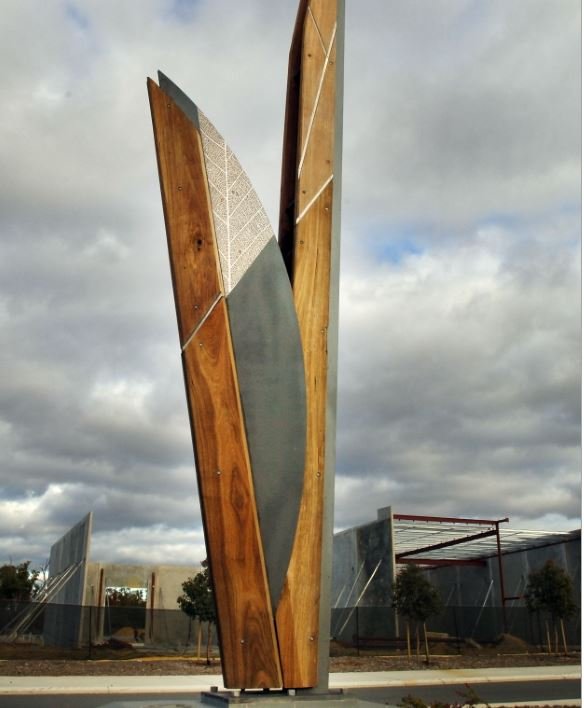
Malcolm McGregor
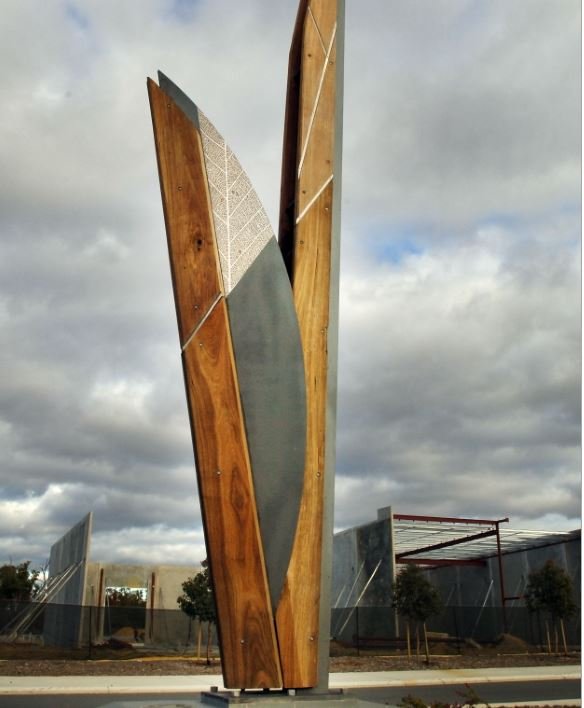
Malcolm McGregor is a sculptor and metalworker who is credited with several public works around Perth, WA.
Do you have more information about this artist? Please reach out to us at: Museum of Perth or info@museumofperth.com.au


Kashmir Rouw

Image source Margaret River art trails
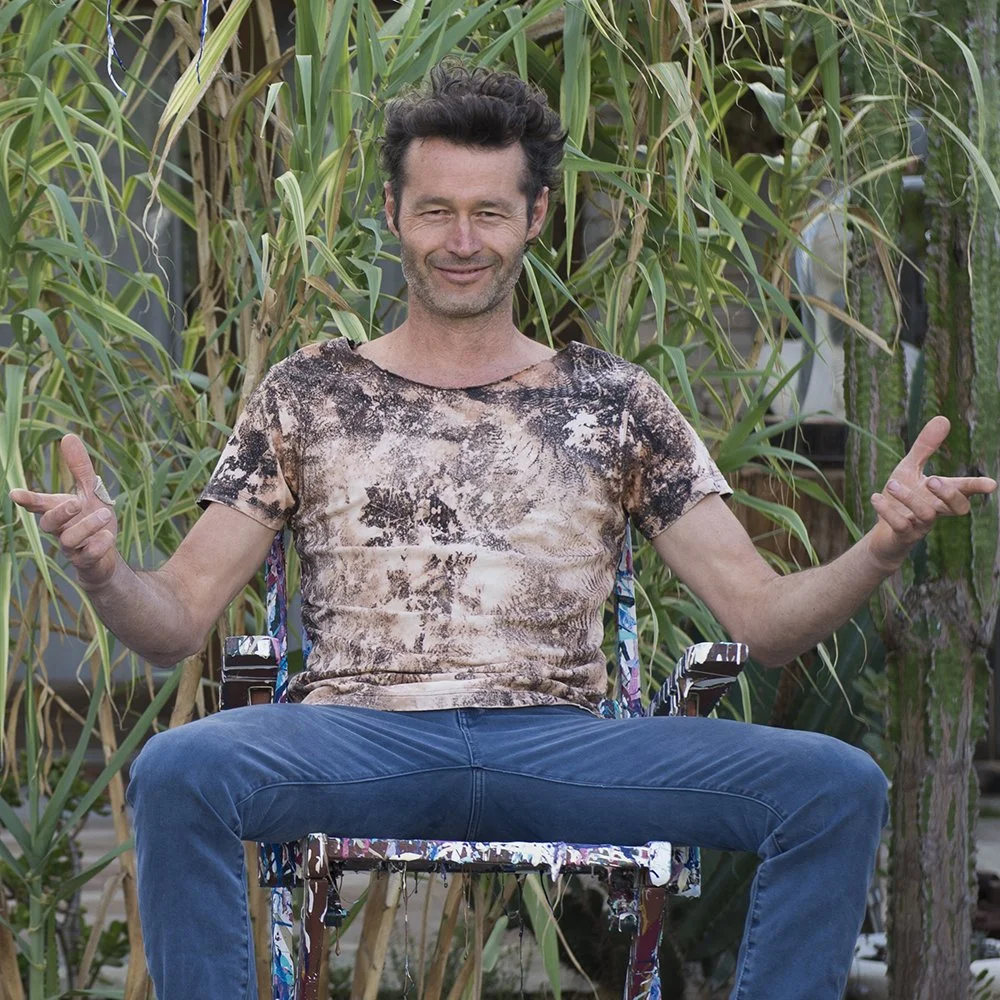
Kashmir’s art features bold fluid forms inspired by natural geometric principles.
Kashmirs’s work bears tribute to these past familial influences, and to the nature and landscape of the Margaret River Region in which he grew up.
Kashmir Rouw hails from a long lineage of artists. His ancestor Peter Rouw (1771-1852) was a London-based sculptor, specialising in bas-reliefs in marble for church monuments and wax miniature portraiture, and was Chief Modeler of cameos and gems to the Prince Regent of the Royal Family of England. His work was widely commissioned to other royal bloodlines and can be seen scattered throughout churches and cathedrals in Europe. Kashmir’s mother is a ceramic artist and his father, a stonemason and landscaper.
His work ranges from large iconic public arts sculptures, photography, painting and fabric design. His sculptures grace the coastline from Gnarabup to Mainbreak and are scattered around the Margaret River region, at the Skate Park, Karate Club and the Education Campus. He sculpts from his workshop adjoining the Triple AAA Studios in the Light Industrial Area and paints and designs fabric from his home studio and gallery in Margaret River.
Kashmir’s figurative and abstract works play with man’s interconnection with nature – carved stone faces pulled from ancient weathered limestone, bushfire-rescued tree sculptures evoking rebirth, portal-like free-standing stone monuments, and hanging and stacked modulated free-standing sculptures. Stone and cement pots and vessels reflect these creative principles on a smaller scale.
His paintings and t-shirt fabric design similarly draw inspiration from the local landscape and are characterized by bold hues and soft fluid brushstrokes, botanical imprints and geometric principles.
Visit: www.kashmirrouw.com, www.margaretriverarttrails.com.au


Simon James

Image source Margaret River art trails
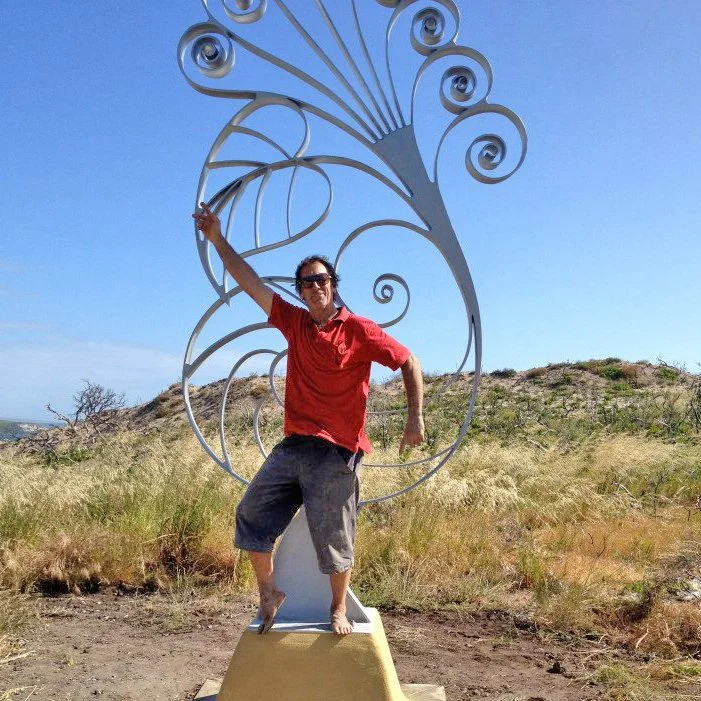
Simon James is a Margaret River artist working in steel, timber and stone.
A talented fine furniture maker, he creates whimsical kinetic sculptures as well as contemporary carvings from laminated timber.
Simon has exhibited in Sculpture by the Bay and Castaways Sculpture Awards, and his work is held in public and private collections.

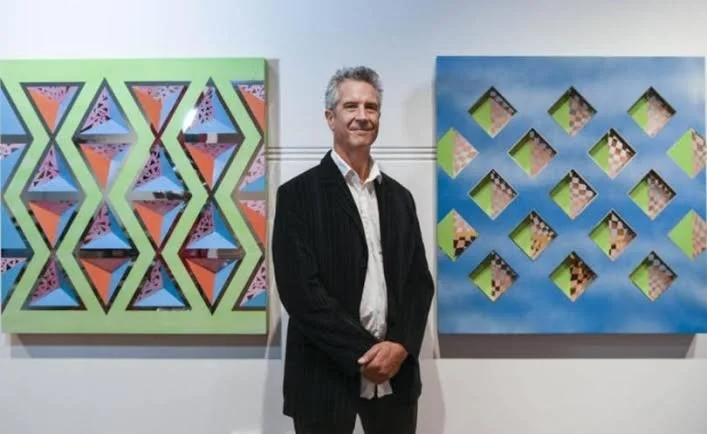
Geoffrey Drake-Brockman

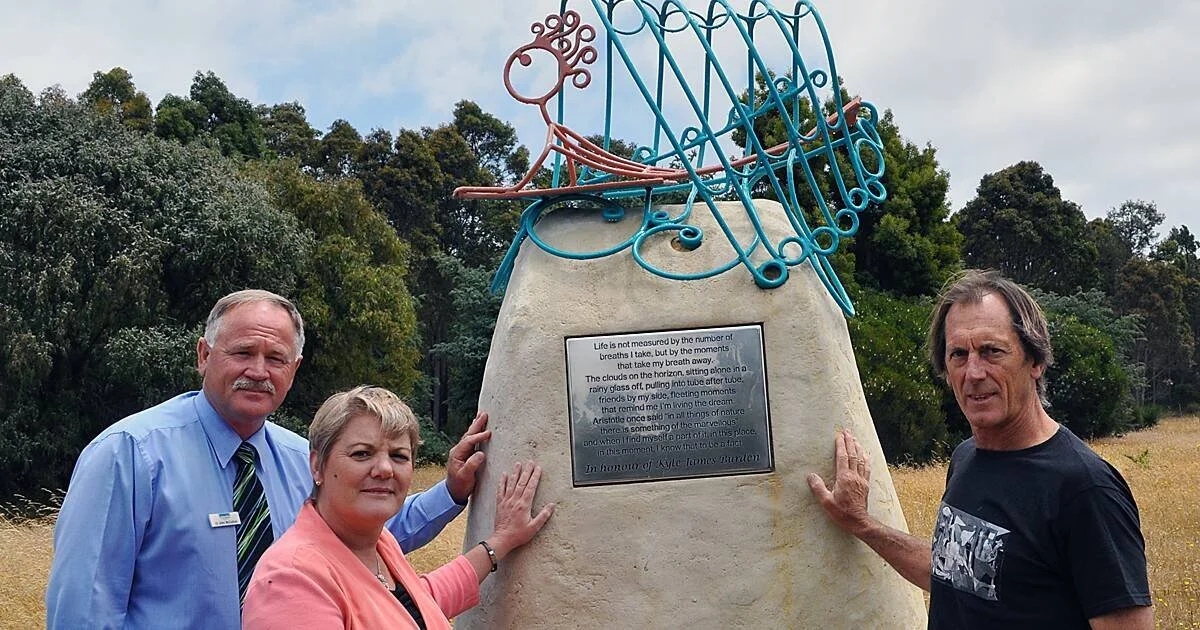
Geoffrey Drake-Brockman has been exhibiting since 1986 with shows in New York, Perth, Sydney, Melbourne, Canberra, Denmark, and London. He has held major exhibitions at the Morris Museum in metropolitan New York (2018), Singapore Art Museum (2010), the Perth Institute of Contemporary Arts (2007), the National Gallery of Australia in 2005 and in 2001, the Helen Lempriere National Sculpture Award (2004), the Biennale of Electronic Arts Perth (2002), Collaborative Concepts in New York (2002), and Sculpture by the Sea (Bondi, Cottesloe, and Aarhus/Denmark; 2001 - 2014). His large-scale installation "SKY" featured at Brisbane Curiocity 2019 and at the Perth Winter Arts Festival of 2017. Solo exhibitions include Moana Chambers (2022), Moores Building Contemporary Art (2021), Linton and Kay (2016), Goddard de Fiddes (1997), Fremantle Arts Centre (1993) and The Hooper Gallery in London (1991).
Geoffrey has undertaken numerous large-scale public art commissions including the eleven metre tall interactive robotic artwork “Totem” (2012) at the Perth Arena, an interactive LED matrix "Surface" (2016) at Perth Childrens Hospital, the external Sculpture "One" (2019) for the University of Canberra, and a kinetic work titled “Readwrite" (2014) for the NEXTDC Data Centre in Malaga. Geoffrey won the Guinness Collection contemporary automata Best in Show and Peoples Choice awards in 2018, the National Gallery of Australia Sculpture Prize Highly Commended Award in 2001 and the Peoples’ Choice Award in 2005, the Princess Margaret Search for Genius Art Award in 2003, and the Sir Charles Gardiner Art Award in 1993.
Geoffrey Drake-Brockman was born in Woomera, South Australia in 1964 and is based in Perth, Western Australia. Geoffrey completed a Bachelor of Science in Computer Science at the University of Western Australia in 1985 and a Master of Visual Arts at Curtin University in 1994. Geoffrey trained as a painter at Art School and his early work was figurative, colourist, painting. Since 2000 his work has been primarily sculptural and technology-enabled. The artist notes; “I am interested in the social impact of technology, a theme which I approach formally with geometric and colour based composition, as well as implementing electronic, interactive systems in my work. I seek to create autonomous works that are able to support unique, emergent, ongoing dialogues between viewer and art object”.
Visit: www.drake-brockman.com.au


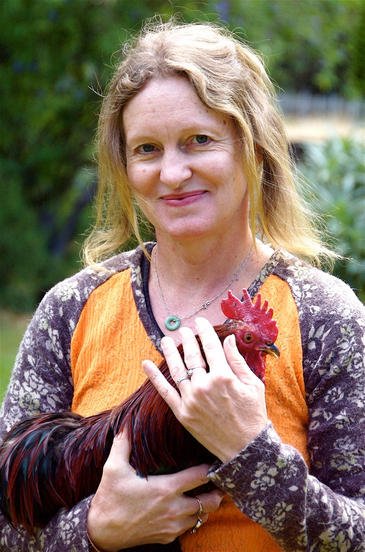
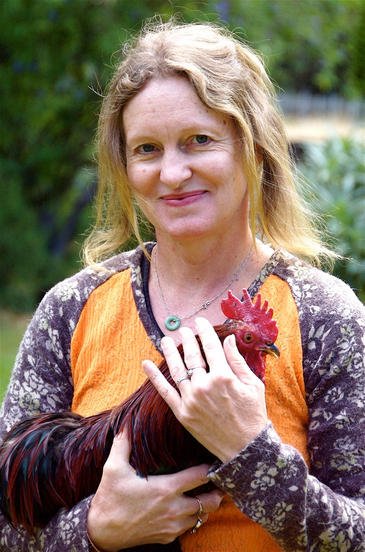
Rebecca Cool
Rebecca Cool is an Australian artist with over 40 years of experience. Known for her vibrant, richly layered use of color and her whimsical, naïve style, Rebecca’s work features distinctive figures that bring warmth and joy to any setting. Painting is where she feels happiest, and she likes sharing that happiness through her work.
Visit: www.rebeccacoolart.com


Josh Whiteland
“Koomal” is the traditional name of Wadandi man Josh Whiteland. Koomal is the local word for brushtail possum and the totem chosen for him by his Elders. Josh was born in Busselton, WA and grew up surrounded by family, culture and connection to country.
Passionate and spiritually aware, Josh has a personal commitment to continuing cultural practices and delivering cultural awareness both within the local community, and to visitors to the region. It is for this reason he created ‘Koomal Dreaming’ so that he could communicate part of his connection with his land and his people with guests from around Australia and the world. Josh is dedicated to caring for country and works with local organisations to ensure the protection and prosperity of the ‘Cape to Cape’ ‘Warren Blackwood’ region.
An accomplished artist, Josh has created superb custom-made works such as an Australia native bush food themed surf board for celebrity Chef Heston Blumenthal. In 2018 Kmart Busselton contracted Josh to consult on an Aboriginal artwork façade for the front on their new store. It is the first building in the City of Busselton to have an Acknowledgement to Country through Artwork. In 2020 the Diljit Mia Community Gathering Place and Nature playground was constructed in Dunsborough through consultation and guidance from Josh and includes a number of his artworks, interpretive signage and sculptures based on his designs and local stories. Over the years a number of his artworks have been included in signage projects and murals across the south west region including Greenbushes, Nannup, Manjimup, Bridgetown, Margaret River, Dunsborough & Busselton. With his own personal style an interpretation Josh uses art as an outlet to express his passion for native foods and his love for culture and country.


Image source Yallingup Aboriginal Art
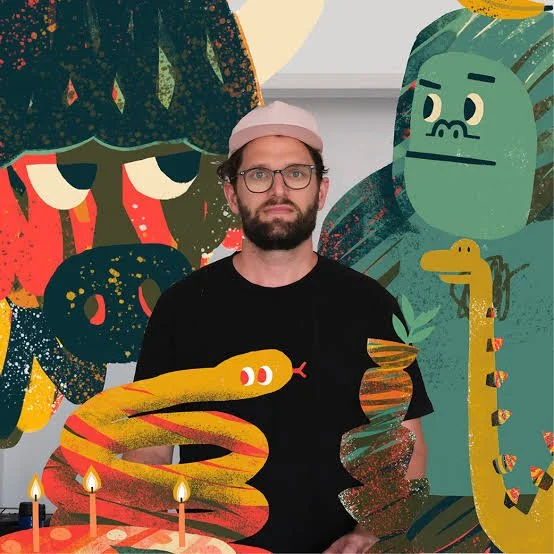
Kyle Hughes-Odgers
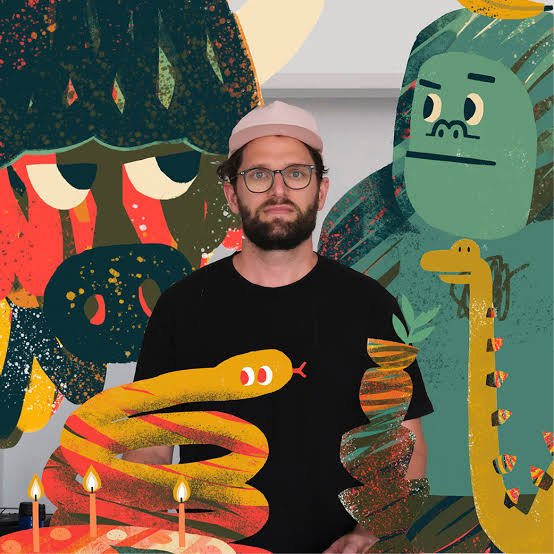
Image source Margaret River art trails
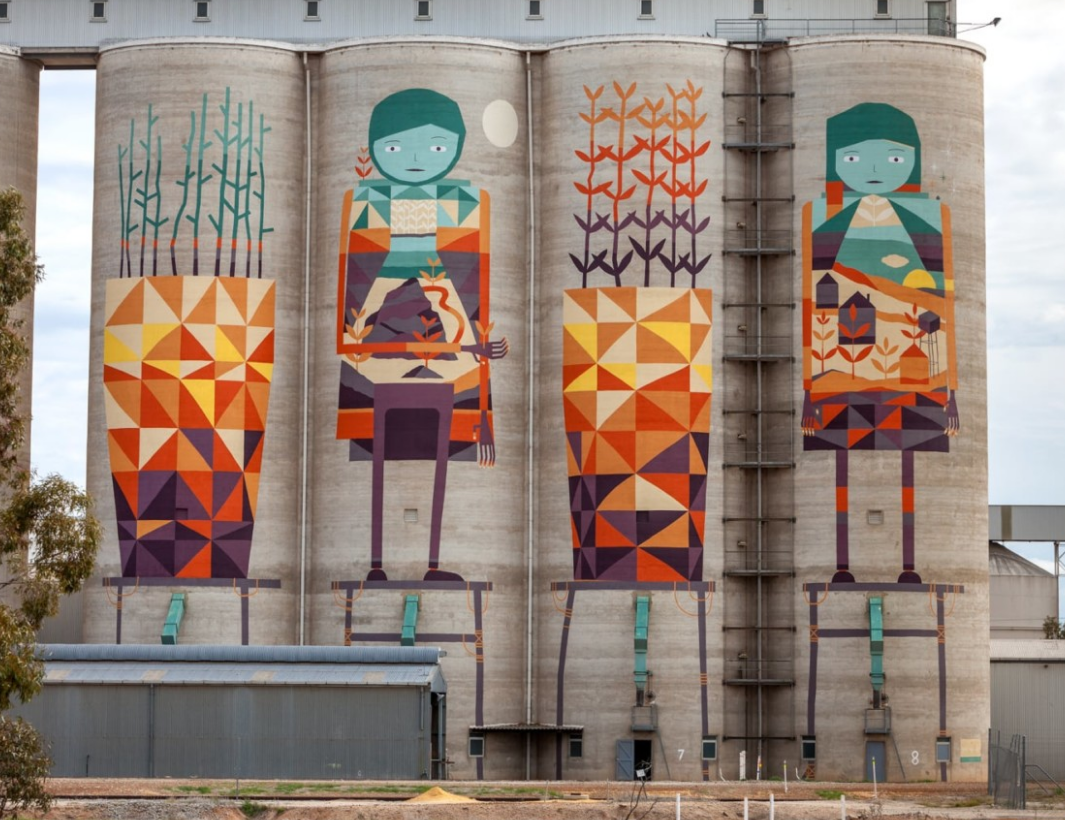
Kyle Hughes-Odgers is an Australian artist. He has held exhibitions throughout Australia and internationally in New York, Los Angeles, Singapore and Berlin. Kyle has also been involved in large-scale public art projects internationally (New York City, Washington DC, Los Angeles, London, Sheffield, Hong Kong, Singapore, Madrid, Berlin, Cambodia) and at home in Australia, including From Above, a giant 6 m x 80 m exterior painting for the Perth International Airport.


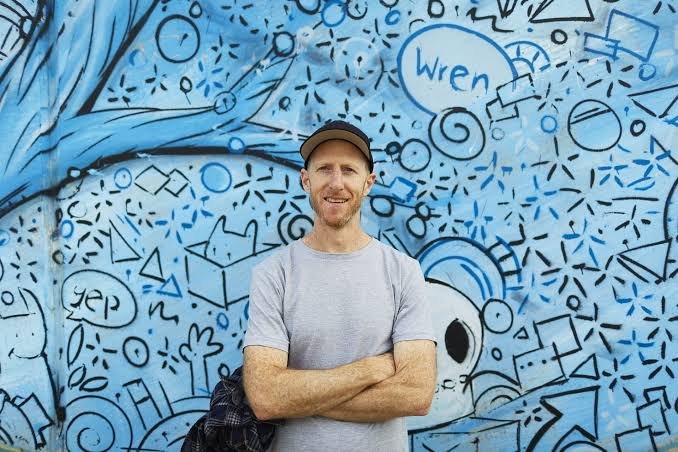
Ian Mutch

Image source Margaret River Region on Wadandi Boodja
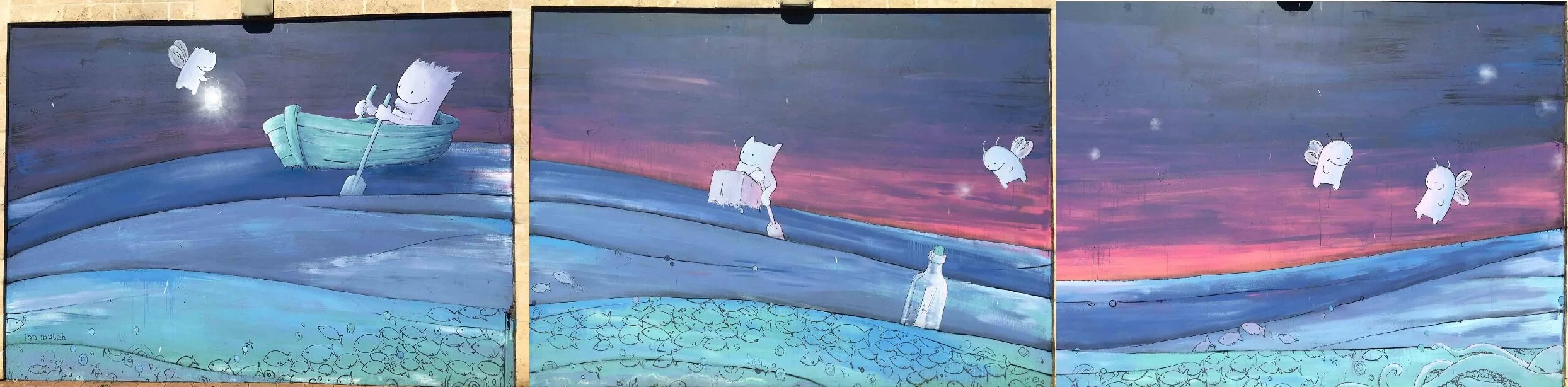
Ian Mutch is an Australian artist exploring beauty through nature, characters and details. He creates work on a variety of scales using acrylics, aerosol, and inks. Abstract brushstrokes and layered backgrounds are detailed with entertaining whimsical illustrations of characters, trees, birds, animals, colliding universes and patterns.
Ian Mutch draws inspiration from his upbringing surrounded by different landscapes, animals and cultures. Mutch has lived in various parts of the world and now resides in south-west Western Australia. His artwork has won awards, given life to public spaces, and featured in well known publications. He co-published Kingbrown Magazine and has been an industry speaker at Agideas Melbourne, the Design Institute of Australia and Semi Permanent Sydney.
Visit: www.ianmutch.com




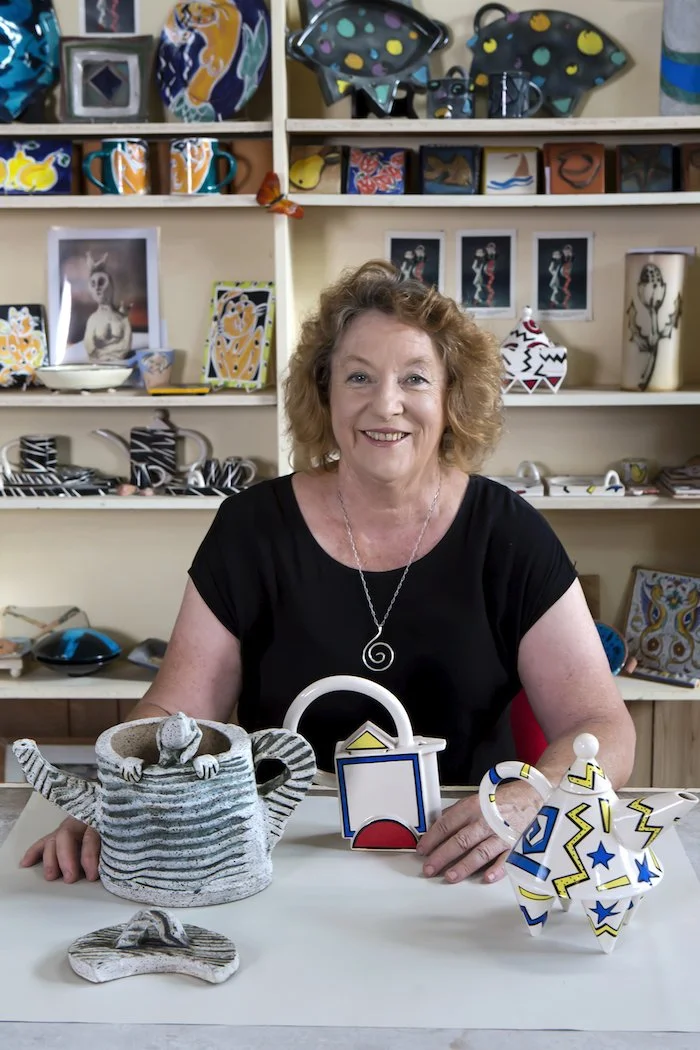
Jenny Dawson
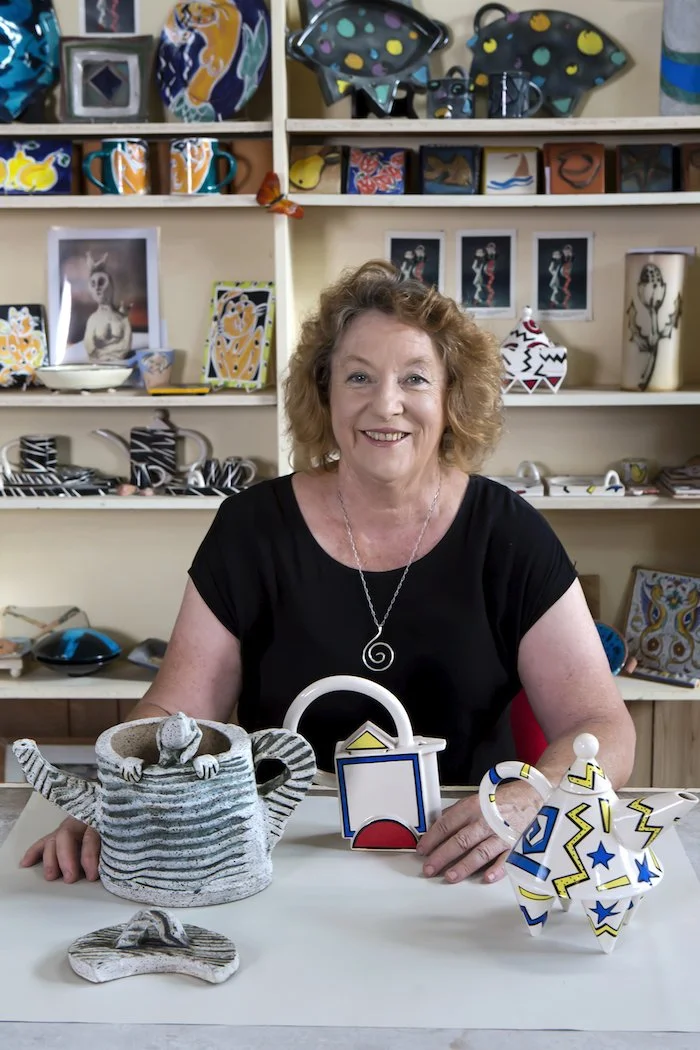
“Since 1993, I have successfully worked as team leader or part of an artist’s team on 52 collaborations to produce art for public spaces. These commissions have come from Percent for Art Scheme (25), government and local government (21) interstate (1) and the private sector (5). The budgets have varied from $10,000 to $244,000.
I bring varied and well developed skills to the organization and planning, research, design, fabrication and installation process. I have been a practising freelance artist since graduating with both a teaching degree and a fine arts degree specializing in ceramics. I have established and run my art practise from the J Shed Studios in Fremantle since 1992. My focus is on design and I work mainly in the public art realm.
I have established a thriving studio situation that invites projects on a large scale and collaborations with artists from other disciplines. I have strong design and fabrication skills and enjoy working in various materials in three-dimensional sculptural works as well as wall and paving works.
Some of the mediums I have worked with include photography, painting, sculpture, metal and aluminium sculpture, concrete casting, stone and concrete carving, high fired ceramic tiles and mosaics. I have worked with engineers, architects and fellow construction professionals and personally install my own works with a team of specialists. I have extensive expertise both as a designer and a maker. I am meticulous with detail and all of my work is expertly crafted and finished.
I am a skilled organizer and a diplomatic team participant. I have worked extensively with other designers, artists, architects, landscape architects, builders, tilers, tradesmen, local council officers, schools and selected community groups in many varied roles as team leader and participant.
I have jointly won four awards for design excellence:
1997 Subiaco Centenary Tiles project
1998 Percent for Art Public art awards for Art works at Banksia Hill Detention Centre
1999 Civic Design Award for Art in Public Places/Charrnock Woman Mosaic in East Perth
2008 Landscape Architects of Australia award for art in Public Places for the Leighton Indigenous Paving Project”
Visit: www.jennydawson.com.au


Sandra Hill

Art is a wonderful tool in terms of assisting in the ‘healing’ process. It is a positive way to tell of the tragic and sorrowful consequences of past Government practices and it’s a way to lead people into a more positive future in so many ways. It’s also a very appropriate way to continue our traditions in terms of telling stories from a visual perspective – it’s almost like historical references from a visual perspective.
Hill is a Nyoongar woman of Western Australia. Multi-media and multi-disciplinary artist whose work is represented in the collections of the Art Gallery of Western Australia, the Holmes a Court collection and many others.
Hill works across various media, including painting, printing, mixed-media collage, sculpture, installation and public art. Having these skills has meant that Hill has been in constant demand as an arts worker and she has worked for a number of institutions including the Longmore Remand Centre, Curtin University of Technology, Fish Mungah Aboriginal Cultural Arts Festival, Geraldton Regional Community Education, Artsource, Edith Cowan University and Fremantle Prison, undertaking roles such as workshop presenter, lecturer, teacher and researcher.
She has worked collaboratively with Jenny Dawson on a number of public art projects (murals, sculptures and mosaics) for many different organisations including Djidi-Djidi Aboriginal Primary School, Koongamia, Melville and Mount Pleasant Primary Schools (2003-2004), Edith Cowan University (2004), Ferrara Park, Girrawheen, Moora District Hospital and Mandurah Community Health Campus (2005), Leighton Beach Redevelopment and Ellenbrook Police Station (2006). In 2007 she worked solo on the Ngunnawal Aboriginal Art Project for the Chief Minister’s Office in Canberra, ACT.

Peter Lowe

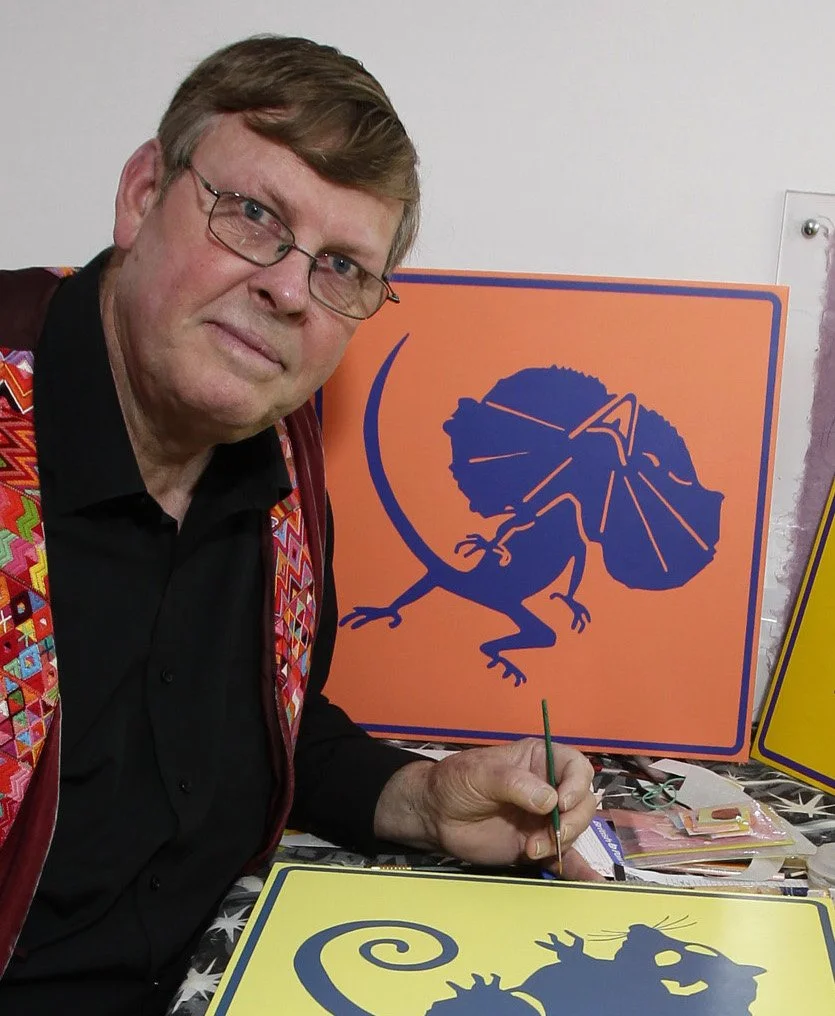
Peter Lowe has been involved in the visual arts for many years in WA. A formal background in Graphic Design, Printmaking (tutor Leon Pericles) and also Secondary Education. He has taught Art in both Government and Independent Schools.
Peter is also a multiple award winning practicing artist, his eclectic art practice includes painting, printmaking, sculpture, laser cutting, mixed media and assemblage. He enjoys discovering and exploring new materials and techniques to use in his work. He also is an experienced visual arts judge and has been involved in judging numerous School, Community and local Council art awards.
From 2009-2011, he was the Manager of Education and Visitor Development (Public Programs) at the Art Gallery of Western Australia.
Peter currently works solely on his arts practice and undertakes private commissions. To see the full range of his artworks please view the purchase page.
Visit: www.peterloweart.com
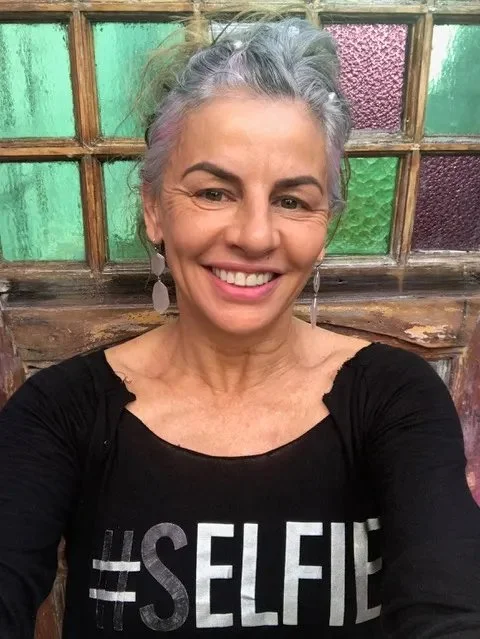
Lorenna Grant
Early Life & Finding Art

Lorenna Grant discovered art at a very young age while constantly moving around and alone, giving her the opportunity to express herself and be heard.
She found an aptitude in 3D modelling and drawing, which manifested as she got older and she started weaving as well as working with leather, clay as well as writing poetry.
“I would take myself to night classes… back then they would only have a ceramic bowl class but I would make little sculptures out of the clay, always going off in my own direction” she says.
While in school, Lorenna was barraged with the images and stories of artists and their tragic lives and there was no indication that anyone could “do art” full time. While she was selected for exhibitions at the end of high school, she wasn’t bolstered by that kind of achievement and left high school to spend the next 12 years travelling and living a self-proclaimed “wild” life.
Lorenna describes art as “choosing” her, and it was something she didn’t properly start studying until 30 years old.
“It was nice because I lived a subculture in my 20’s and found that art had a kind of expressive subculture that I was very fortunate to get into. I think it was always there waiting for me.”
After 3 years of art school, Lorenna knew it was her life and settled into a community of artists living in the Perth hills, showcasing her work in group and solo exhibitions.
Lorenna describes her time exhibiting in a gallery as an amazing sort of “apprenticeship” as it taught her about scale and proportion, and the way art can affect the viewer and inform us about ourselves.
After several years, Lorenna was invited to teach art, design, visual literacy, sculpture and drawing at the local TAFE, and she also lectured at Edith Cowan University and tutored landscape architecture at the University of Western Australia.
Lorenna enjoyed watching the students and describes their transition from self-conscious, unsure and doubtful students into confident adults as an exciting thing to watch, and she loved seeing them contribute to the collective artist community.
However, weighed down from the bureaucracy and structure of teaching, it was one night in 1998 that Lorenna had an awakening moment, which she describes as a “compass” directing her onto another path.
“I can remember several moments in my life like this, where I knew I wasn’t going to be doing that thing, whatever that thing was.”
This moment pushed her to leave her teaching job, and within 6 weeks she was awarded two artist residencies, one for the National Australia Council in Milan and another 6-month residency in Barcelona and Switzerland. Within 6 months she had won her first public art commission from the Department of Education – which was also her first project with DENMAC, for Halls Head Middle School, called ‘Flying South’.
Creating Inspiring Public Art in Western Australia
While public art wasn’t the direction Lorenna was planning to go down, she was fascinated with figurative, classical sculptures and this morphed into ephemeral and landscape work.
Lorenna found it a natural progression to move into public works and integration with buildings, and she uses the space around the proposed art location to inspire her.
“Because I spent so much time driving around Perth and looking at these bleached landscapes, I always felt like there was such a canvas to be able to create. It’s really exciting to be able to carry several ideas through and be able to make them fruit, thereby helping to create environments that are individual and pertaining to the specific place.”
She describes how lucky Perth artists are to have the opportunity to create “layers of wonder and pondering for people that are engaging with our local landscapes and built environments and natural surrounds.”
Some examples of Lorenna’s projects with DENMAC that showcase this inspiration by the surroundings include:
Mulla Mulla in Karratha (2012) – Made of steel, steel mesh, airbrushed enamels and light, this piece is a feminine show in a predominantly masculine townscape inspired by the floral ephemera found resilient amongst the iron hills of Karratha.
Beatty Park Aquatic Centre (2015) – Steel, paint, mirror stainless steel and light, this is inspired by the ‘rivulets’ found throughout the Beatty Park complex.
Artwork in Angove Street (2016) – Made from steel and composite panels, the inspiration was to show abstractly the presence of the ancestral community of North Perth, blending with references to the old movie theatre adjacent, echoes of the movie viewers and the classic red velvet curtains. Tales of a watchful older generation mixed in the present.
Project Design Inspiration
“When I’m starting to think of a project, it’s hard to explain, there seems to be this operation of all these layers, and each feed into that and starts to form into ideas. It’s like a whole layered field of connecters and then you pull that together at an early stage so that it makes sense to the people you are presenting to.”
Lorenna gives absolute dedication to each project, and unless she feels a “rising” and “connection” with a project, she will not agree to go ahead. She is also passionate towards the ecological and environmental impact that projects have on the surrounding location.
“We don’t have to damage nature, we can design in intelligent ways to avoid that now. Let’s start getting fun and creative with what we do.”
Lorenna describes her influences as movement, energy, the unseen forces, watching things come and go and how they linger around us, the planets, stars and the earth.
“Words are also a lot of my inspiration, words create beautiful movies in your head. Listening to someone invoke through words is a really powerful thing, because I have that tendency to visualise. So, words tend to be more inspiring to me than a resolved visual thing.”
Lorenna defines a fatal flaw in projects is when the artist is being constantly directed, squeezing the magic out of the artwork.
Biography courtesy of Denmac
Visit: www.lorennagrant.com


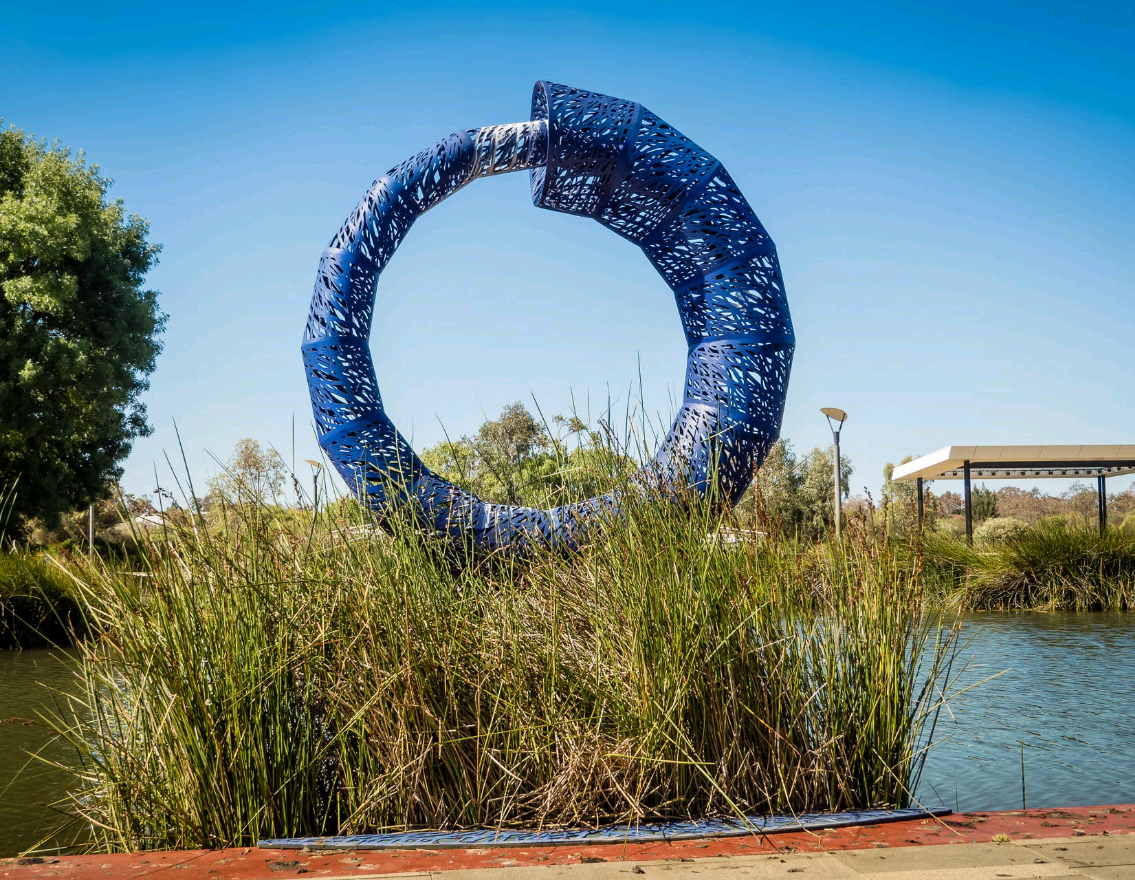
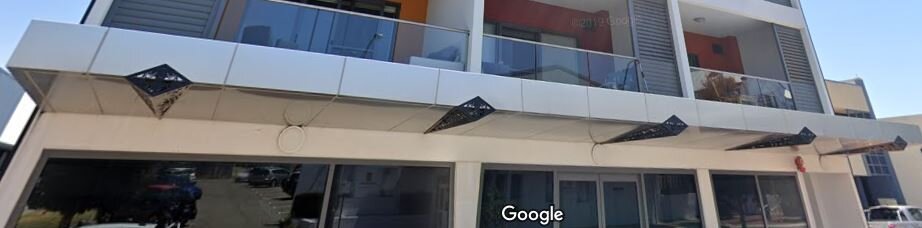


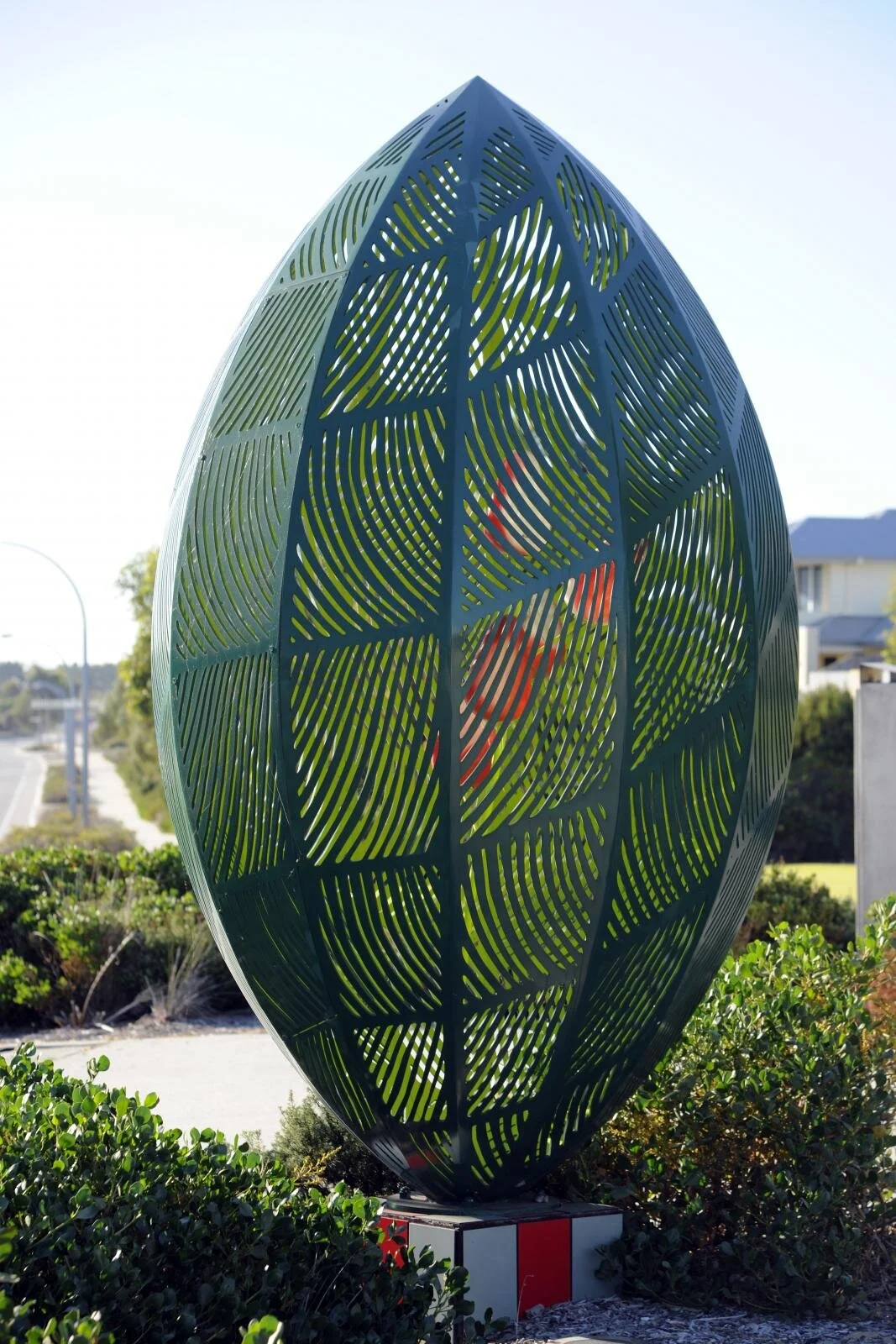



Brenton See

Image source Brenton See
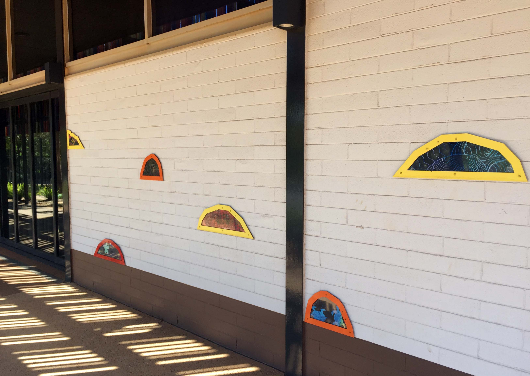
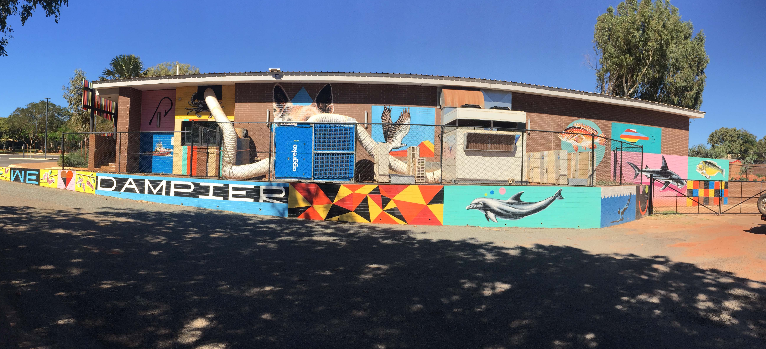
Brenton See is a Perth artist specialising in small canvas works to large scale interior and exterior wall murals.
Nature has played a massive part in leading Brenton to the work he now constricts today.
As a child he kept and bred Australian finches and parrots in a large outside aviary he built with his father.
During secondary school he volunteered at the local fauna rehabilitation centre caring for sick and injured wildlife.
After graduating secondary school Brenton then went on to study graphic design. Before starting his Advanced Diploma he decided working with computers wasn’t the direction he wanted to head down in life. Brenton searched for employment where he could use his hands to create the artwork he had in his head. In 2007 he began an apprenticeship in tattooing. At this time Brenton was drawing at home and developing a style. He fell more and more in love with working with pen and ink, acrylics and watercolours and soon people began to request his work. Brenton left the tattoo apprenticeship after 8 months and decided that painting for a living was the path he wanted to take.
Creating commissioned artworks and exhibiting became life for Brenton up until his change in career path in February 2015 when he painted his first mural.
Since this first mural Brenton has been fortunate enough to maintain a full-time practice in large scale works.
A keen photographer and birdwatcher he now spends a majority of his free time in the Western Australian landscape gathering reference photos for upcoming murals.
The excitement of sharing the flora and fauna of Western Australia keeps Brenton motivated in his journey to educate the world on just how lucky we are to share our planet with such wonders.
His work now focuses on celebrating the native species found within 15km of the location of the wall he is painting. This makes each site unique and helps to educate the public on what can be found close-by.
Visit: www.brentonsee.com.au



Paul Ritter


1925 - 2010
Paul Ritter (6 April 1925, Prague – 14 June 2010, Perth) was a Western Australian architect, town planner, sociologist, artist and author. In his roles as the first city planner of the state's capital, Perth and subsequent two decades spent serving as Councillor for East Perth, Ritter is remembered as a brilliant, eccentric and often controversial public figure who consistently fought to preserve and enhance the character and vitality of the central city district. Today he is primarily remembered for his involvement in preserving many of Perth's historic buildings at a time of rapid redevelopment and preventing the construction of an eight-lane freeway on the Swan River foreshore. Ritter's later career was blighted by a controversial 3-year prison sentence for making misleading statements in applying for export marketing grants.
Ritter was born in Prague on 6 April 1925 to Jewish parents Carl Ritter and Elsa (née Schnabel). In 1939, at the age of 13, Ritter was evacuated from Czechoslovakia to England via the Kindertransport. He graduated as a Bachelor of Architecture and Master of Civic Design from the University of Liverpool. In 1946 he married fellow-graduate Jean Patricia Finch with whom he eventually had five daughters and two sons.
Throughout their life the couple would combine their talents, shared interests and idealism in an enduring professional partnership which they named 'The Planned Environment and Educreation Research (PEER) Institute'. Together they wrote and published their first book in 1959 entitled, 'The Free Family', describing how they applied their beliefs about child rearing to their own children.
Chief planner at the City of Perth
In the early 1960s Ritter was teaching at the Nottingham School of Architecture while acquiring an international reputation as an architectural theorist with new ideas and unquenchable energy. His 1964 book, Planning for Man and Motor contained his theories and advocacy for the separation of pedestrians and cars and brought him to the attention of the global planning profession. Mr W. A. McI. Green, Town Clerk of Perth City Council (PCC), invited Ritter to head the council's newly formed Department of Planning. Ritter accepted, and after migrating with his family to Perth in late 1964, began work as Perth's first City Planner in May of the following year.
Ritter’s tenure as chief planner was short and turbulent and in 1967 he was controversially sacked. Ostensibly Ritter was accused by the City Council of failing to produce the statutory planning scheme that was required by the Metropolitan Region Planning Authority (MRPA). The MRPA had been formed in 1963 to convert the Stephenson-Hepburn Plan for the Metropolitan Region into a statutory scheme for the whole of Perth. The relationship between the MRPA's Chief Planner, David Carr and Paul Ritter soon began to deteriorate. Perth historian Jenny Gregory believes the falling out was due to the state government's (and Carr's) view that the role of the PCC was to fill in the details of the overarching metropolitan scheme. Ritter himself insisted that, despite some personal animosity, "the one and only major contention" between the two was regarding the Government Freeway Plan, which Carr backed and Ritter vigorously opposed. Despite substantial differences that resulted in his dismissal shortly afterwards, Ritter convinced the council to reverse an earlier resolution supporting the proposal and instead to oppose it. This is now considered Ritter's greatest legacy, for the plan would have run a freeway down the Swan River foreshore to surround the city with what architect Theodore Osmundson described as an "iron collar [which] can only eventually choke the central city to death".
Ritter successfully argued that a freeway along the foreshore would cut the city off from the waterfront and was unnecessary in terms of traffic volumes, and that the proposed northern freeway leg would be sufficient to carry commuter traffic. Ritter claimed that this challenge to Carr's authority was not lightly forgiven, but in spite of this the two individuals "cooperated on virtually all other issues".
To some he was a maverick planner, a progressive modernist whose radical ideas took Perth by storm. Yet Ritter saw himself as a counter to the decisive and destructive influence of economic rationalism on the planning and growth of the city at the time.
Ritter's ideas and achievements left a profound and enduring legacy. He was responsible for 'a far sighted parking plan’ and multilevel structure that took advantage of the central city topography to lay the foundations for a vibrant pedestrian precinct with walkways linking the Northbridge cultural centre via arcades to St Georges Terrace. He worked to preserve many historic buildings through a variety of means, including the alteration of plot-ratio requirements, was partially successful in limiting reflective glass on skyscraper facades and participated in the successful campaign to save the Barracks Arch from demolition. He held frequent public meetings to persuade people of his ideas and drew up a town-planning scheme for Perth.
Following his sacking in 1967 a committee comprising Sir Walter Murdoch, Mary Durack Miller, Stella O'Keefe, Professor E. K. Braybrooke, Professor G. C. Bolton, Thomas Wardle and Dr. R. B. Lefroy was formed to inquire into the dismissal. He later successfully sued for wrongful dismissal.
Councillor
With his public profile bolstered by his dismissal, five months later Ritter was able to return to the City of Perth as a councillor for the East Ward. From 1968 to 1986 he would become a prominent figure during the decline and subsequent transition of East Perth. As a councillor he showed concern for the amenity of East Perth, encouraging improvements to programs of street-sweeping and rubbish-removal, and seeking to involve the community in the decision-making process. As a member of the city's town planning committee he sought to hasten the construction of the city by-pass to overcome the deterioration of buildings in the freeway reserve and the exodus of business and residents. Ritter continued to self-publish newsletters and pamphlets outlining his ideas. "For too long", he wrote in one, "planning East Perth was delayed because of Railway and Freeway uncertainties. Now that these have been overcome and we are pressing for special efforts to give the sort of attention that has been lavished on West Perth to East Perth planning".
Architect, consultant and ministerial adviser
In 1970 Paul Ritter was involved in the design of the Crestwood Estate in Thornlie, Western Australia. To this he introduced Radburn principles. Every house sits on the edge of a park, and movement on foot through the development is possible without encountering vehicles. In 1971 he was appointed by the state Minister for Town Planning (H. E. Graham) to report on the MRPA proposals for the Corridor Plan for Perth; however his report had little impact. He spent 36 years as a ministerial adviser. He was a member of the Committee for a Vision of Perth in 2029. He also produced the "1999 Ideas Plan" for the City of Perth, was involved with the "Perth in 2029" report and created a series of 13 half-hour Channel 31 TV programs about the report, entitled "The Sensitive Future".
Imprisonment
In the late 1980s Ritter served 16 months of a 3-year prison sentence in Fremantle and Karnet prisons for fraudulently attempting to obtain Commonwealth export grants; he maintained that he had been framed. After his release he published Curses From Canberra: public service conspiracy and the failure of democratic safeguards and a collection of the poems and artwork he produced while serving his sentence. "They put me there against my will" he wrote, "There will be no apology / Prison is a great big phoney / The theory for it is pure baloney" and "Errors that placed me in this cage / Are still the subject of some rage."
Other work
In Nottingham and later in Perth, he and Jean Ritter ran several exhibitions called "The Child's Eye View", where everything was built 2.5 times normal size to show adults what it was like to be a child.
In the Stirling Gardens in central Perth, his sculpture "The Ore Obelisk" (1971) symbolised the diversity of mining industry from which Western Australia's wealth is largely derived.
Biography courtesy of Eli Rabinowitz

Robert C. Hitchcock
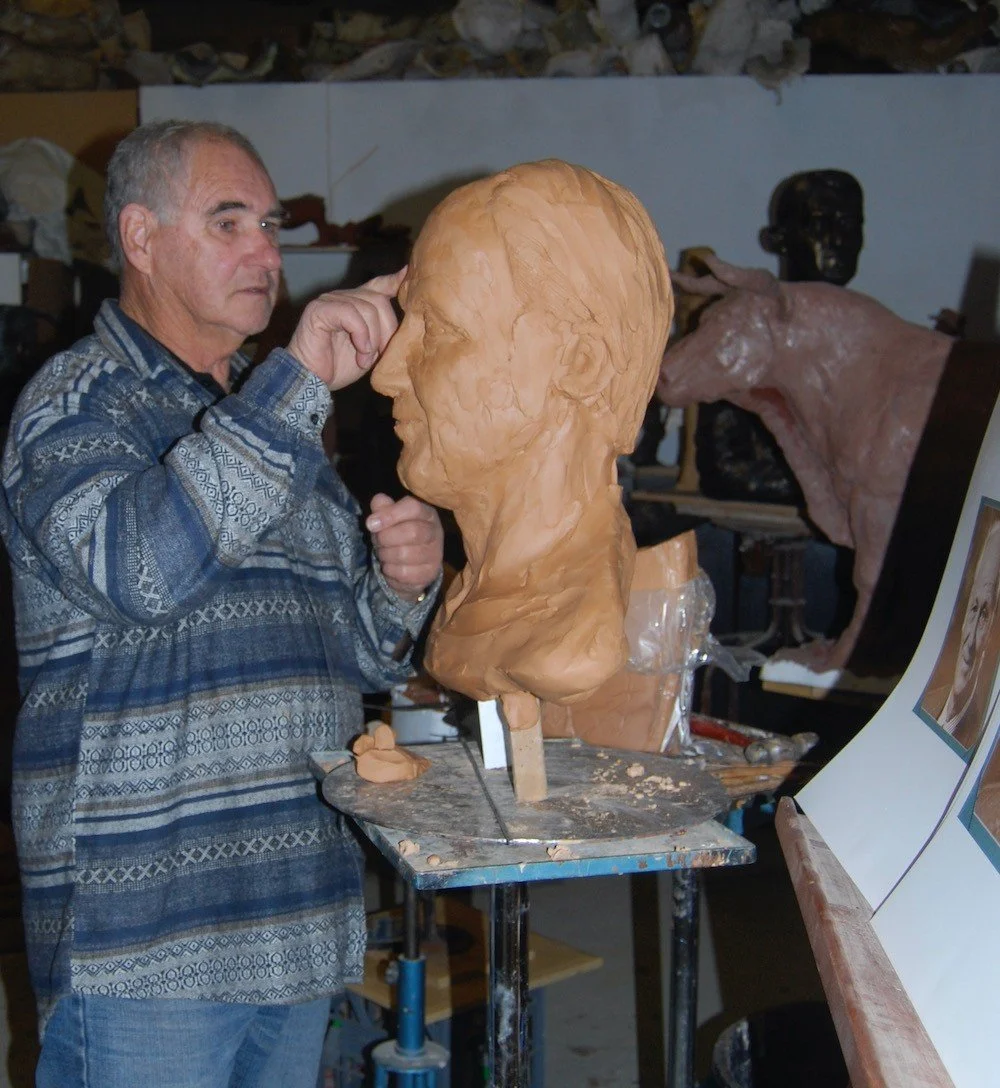
His first commission came in 1970 of the champion racehorse Aquanita, which competed in the Melbourne Cup in the early 1960s and was a quarter-life size. As Hitchcock’s reputation grew he received a number of similar commissions from the equestrian industries including racing, pacing, polo, and quarter horse racing.
These early works led in later life to Hitchcock receiving commissions for over-life-size equestrian commissions in Norseman, Merredin, and Moora, Western Australia as public works of art.
In the 1970s, Hitchcock began to receive increasingly significant recognition for his work. These include a series of sculptures of the Russian Ballet Dancer Rudolf Nureyev. Throughout his career, he has created sculptures of prominent and (in his own words) “interesting people”.
These include Leonard Cohen, Rod McKuen, Professor Ian Constable, Beethoven, Robbie Burns (for the Robbie Burns Society), and many prominent Australian public and sporting figures.
Towards the end of the 1970s Hitchcock’s bronzes took on a larger scale, which was particularly suited for public art commissions – the most significant of which is, almost certainly, his sculpture of Yagan.
From the mid-1970s, members of the Noongar community lobbied for the erection of a statue of Yagan as part of the WAY 1979 sesquicentennial celebrations. Their requests were refused, however, after the Premier, Charles Court was advised by one prominent historian that Yagan was not important enough to warrant a statue.
The Noongar community then established a Yagan Committee and eventually raised sufficient funds to commission Hitchcock to create a statue. The result was a life-size statue in bronze, depicting Yagan standing naked with a spear held across his shoulders. Hitchcock’s statue of Yagan was officially opened by Yagan Committee chairperson Elizabeth Hanson on 11 September 1984. It stands on Heirisson Island in the Swan River near Perth.
Hitchcock moved into his larger studio (which he currently works from) in 2000 and continues to be highly sought after and collectable. A recent high-profile commission was for the SAS Garden of Reflection in Perth. This consists of three larger-than-life-size SAS figures in various uniforms from 1957 (the inception of the SAS in Australia) with the remaining two in modern combat uniforms and weapons. These commissions are highly accurate in detail and give a true representation of the Australian SAS soldier.


